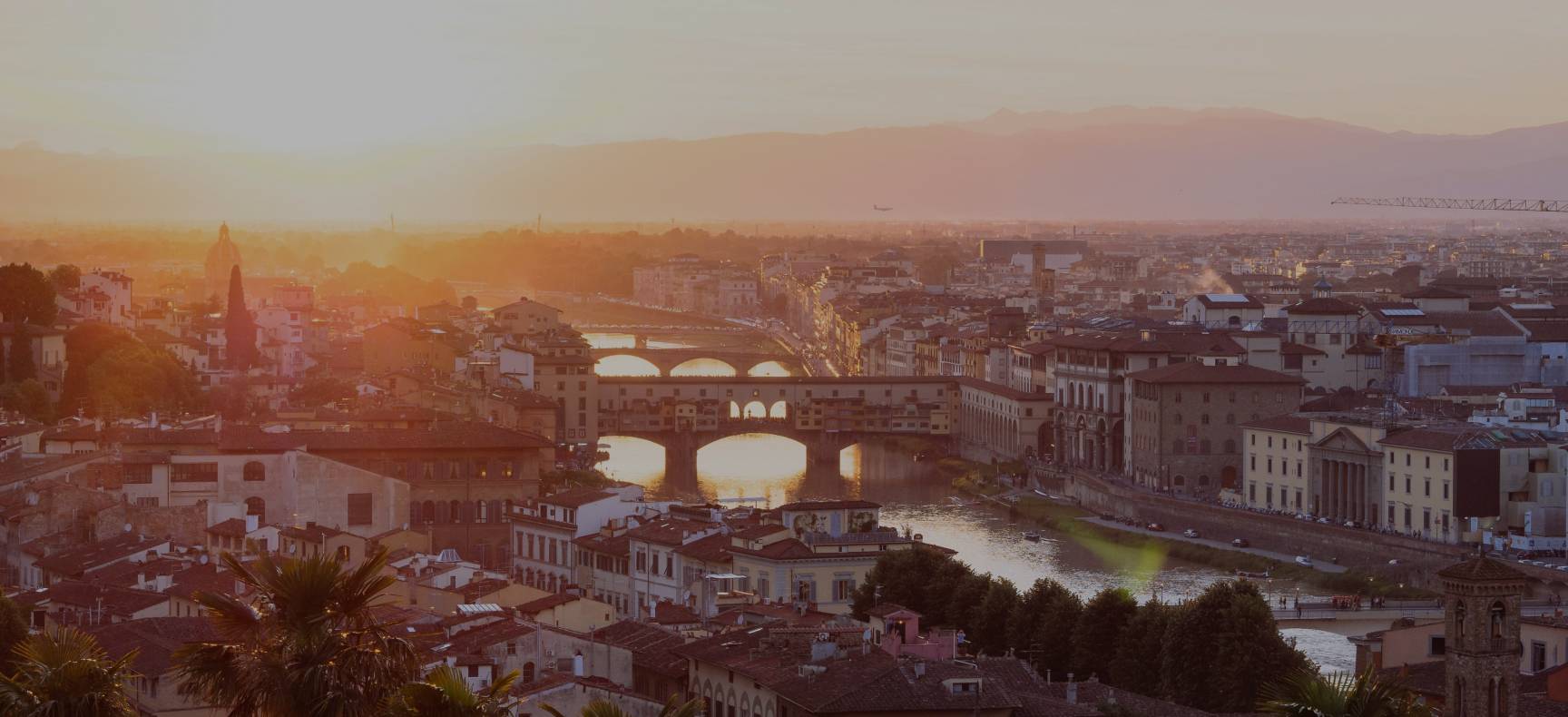
For many families, the connection to Italy does not begin with paperwork. It begins with a feeling. A slower morning. A long lunch that stretches into conversation. The sense that daily life allows space to breathe.
Only later does the question of visas and residency enter the picture.
This order matters. Families rarely choose Italy because of a programme alone. They are drawn to how life feels on the ground, and only then begin to ask how that experience might become more lasting.
The first encounter is rarely planned
Most families arrive in Italy without a fixed intention. It might be a holiday, a short stay or a visit connected to work. What stands out is not efficiency or speed. It is rhythm.
Meals take time. Shops often close in the afternoon. Children walk to school with grandparents. Conversations feel unhurried. These details shape a different relationship with time.
For families accustomed to tightly structured schedules, this contrast is often noticeable.
Daily life has texture
Italy’s appeal lives in everyday moments. Markets that anchor the week. Cafés where familiar faces return. Neighbourhoods that feel lived in rather than transient.
Families often notice how integrated daily life appears. Children are present in public spaces. Multi-generational living is visible rather than exceptional. Community is not abstract. It shows up in routine interactions.
These qualities are difficult to capture in a guide. They tend to be felt rather than analysed.
Education and family life feel aligned
Parents frequently remark on how family life fits into the Italian environment. School days are structured, yet they often leave room for afternoons spent together, whether through sport, language, music or unplanned time at home.
International schools are available where appropriate, but even families who choose them notice how Italian culture shapes the wider experience. Meals are shared. Time at home is valued. Childhood often feels less compressed.
For many families, this alignment becomes meaningful before any legal pathway is considered.
Healthcare and daily wellbeing play a quiet role
Healthcare is rarely the first topic of conversation, yet it often becomes part of the broader appeal. Access feels local and relationship-based, particularly outside major cities.
Combined with walkable towns, fresh food and a culture that values rest, families sometimes describe changes in daily wellbeing without having actively sought them.
This sense of balance tends to emerge gradually.
The visa question comes later
Only once families imagine Italy as part of their routine does the practical question arise. How do we stay longer. How do we return without limitations. How do we make this part of our life rather than an occasional visit.
This is often when residency options enter the conversation. Not out of urgency, but as a way to support something that already feels important.
In this context, visas are not the motivation. They are the framework that allows continuity.
Falling in love slowly
Italy rarely reveals itself all at once. It unfolds over time. Through seasons. Through repetition. Through familiarity.
Families who tend to settle well here are often those who allow the relationship to develop gradually. They return. They extend stays. They learn neighbourhood rhythms before making permanent decisions.
By the time they understand the visa, they usually understand why they want one.
A quieter way to think about residency
As the year draws to a close, many people reflect rather than act. Italy often enters these reflections gently. Not as an escape or a plan, but as a place that feels grounding.
For families who value depth, rhythm and connection, that feeling often comes first.
The paperwork follows when the time is right.
For families who feel this connection, Italian Golden Visa becomes the way to keep it. It offers a clear path to return, to stay longer and to let a relationship with Italy deepen naturally, without pressure or haste.