
Italian Golden Visa
The Italy Golden Visa for UK citizens can become relevant when returning to Italy starts to feel like more than a visit. The town you know by heart, the coast you come back to, or the family home or apartment that has shaped years of visits may still feel familiar. What changed after Brexit is not the emotional pull of Italy, but the legal position behind longer stays.
The Italy Golden Visa for UK citizens refers to the official Investor Visa for Italy. It is a residence route available to qualifying non-EU investors. The route may help eligible investors move to Italy after Brexit, but it does not restore former EU free-movement rights. Visiting often, loving Italy or owning property there does not by itself create a right to reside.
Can UK Citizens Get the
Italy Golden Visa?
Yes. Eligible UK citizens may apply for the official Investor Visa for Italy if they meet the programme requirements and make a qualifying statutory investment. UK citizens no longer rely on EU free movement for residence in Italy unless another qualifying status applies. The investor route is one possible framework for applicants who can meet its conditions.
That answer needs a careful boundary. The programme is not a general long-stay permission for anyone who wants more time in Italy. It is an investment-based route with a defined process, recognised categories and residence-permit steps after entry. The official source for the programme is the Investor Visa for Italy portal from the Ministry of Enterprises and Made in Italy.
For many UK-based applicants, the real starting point is not whether Italy feels like home. The practical question is whether your plans can be matched to a lawful residence route. That should be clear before decisions about family timing, property use, investment structure, tax residence or a UK-Italy lifestyle split.

Visiting Italy and Residing in Italy Are Different Commitments
UK citizens can still visit Italy, but short-stay travel and residence are treated differently. For ordinary Schengen short stays, the key limit is 90 days in any 180-day period across the Schengen Area. Residence in Italy requires a separate legal basis, such as a qualifying visa and residence permit, or another status that gives you the right to live there. The 90-in-180 rule should therefore be treated as a visit limit, not a residence pathway.
This is where post-Brexit planning can become blurred. You may own an Italian home, return to the same region every year or have deep personal ties. Those facts may shape your lifestyle plans, but they do not create Italy residency for UK citizens on their own. Property ownership is especially important to separate from the investor route: buying or owning Italian property is not one of the qualifying statutory investment categories for the Investor Visa for Italy.
The UK Government’s Living in Italy guidance gives UK nationals useful context on practical matters connected with life in Italy. It should sit alongside programme-specific guidance because the investor visa question is only one part of a wider residence decision.
Where the Investor Visa fits in a
UK Applicant’s Plan
The Italian investor visa UK applicants consider is designed around a qualifying investment followed by residence steps in Italy. It can be relevant where an eligible investor is prepared to follow the official process, make one of the statutory investments and maintain the necessary residence position after entry.
It should not be treated as a way to extend holidays informally. The visa and the residence permit do different jobs. The visa supports entry under the investor route. The residence permit is the status pursued after entry, once the applicant has taken the required post-entry steps. Later questions about permit renewal, long-term residence and citizenship are separate from the first visa approval.
Keeping those stages separate helps you plan with fewer assumptions. A UK investor may be considering investment choice, time in Italy, family movement, retained UK commitments and future residence at the same time. Those issues interact, but they should not be collapsed into one decision.

Italy Golden Visa for UK Citizens: Four Investment Routes
The Investor Visa for Italy is tied to specific statutory investment categories. The programme has four current investment routes. Two routes are €250,000 in an innovative Italian start-up and €500,000 in a qualifying Italian capital company. The other routes are €1 million in a public-interest or philanthropic initiative and €2 million in eligible Italian government bonds. Buying property, ordinary spending in Italy and general lifestyle expenditure do not qualify. Eligible government bonds must also meet the current residual-maturity requirement.
You can compare the programme categories through the investment options for the Italy Golden Visa. The suitable route depends on the applicant’s objectives, eligibility and wider financial position. The visa process and the investment decision are connected, but they still require different forms of assessment.
No route should be approached as a guaranteed approval or a guaranteed investment result. The programme requires a qualifying statutory investment. At the same time, the investment itself should be considered with appropriate legal, financial and tax advice before any commitment is made.
From Nulla Osta
to Residence Permit
The Italian investor-residence process follows a clear sequence. The Investor Visa Committee states that its assessment result is issued within 30 days. After a Nulla Osta is granted, the applicant has six months to request the investor visa and may enter Italy within two years of visa issue. After arrival, the investor must apply for the residence permit within eight days and complete the qualifying investment or donation within three months. These are separate programme stages rather than a guaranteed total processing period.
The Nulla Osta belongs to the pre-entry phase. After that, the applicant proceeds with the relevant consular visa application. Once in Italy, the focus moves from entry permission to residence status. The applicant must apply for the residence permit and complete the qualifying investment in line with the programme requirements.
That sequence is why the words “visa” and “residence permit” should not be used interchangeably. The visa gets the applicant to Italy under the investor route. The residence permit supports lawful residence after arrival and compliance with the post-entry process. For more detail on the residence side of the programme, see the Italy Golden Visa residency requirements.
For the programme criteria that sit behind these stages, see the Italy Golden Visa requirements.

Family, Schengen Travel and Tax Need Separate Attention
Qualifying family members may be able to join the applicant, subject to the applicable requirements. For UK investors, this can be central to the decision. A move may involve schooling, shared property use, family timing, retirement plans or a gradual shift between the United Kingdom and Italy.
Family eligibility should still be checked carefully. The main applicant’s position does not make every household outcome automatic. Documentation, timing and the relevant requirements need to be considered before a family plans around a move.
An Italian residence permit can support Schengen travel under the relevant rules. However, it does not create unrestricted residence across the European Union. A permit connected to residence in Italy should not be treated as a general right to live in any EU country. If your plans involve Italy and other European destinations, separate travel flexibility from lawful residence rights.
Tax planning is another distinct issue. A residence route does not automatically produce a favourable tax outcome. It should not be chosen on an assumed tax benefit. UK investors should take appropriate advice before making decisions about residence, investment structure, family relocation or time spent in Italy. The tax guidance for Italy Golden Visa holders can help identify questions to raise as part of that wider planning.
Long-Term Residence
and Citizenship
Are Not the First Visa Decision
The first investor visa question is usually practical: do you meet the programme requirements, can you make a qualifying investment and does the route fit the way you intend to live in Italy? Longer-term planning asks different questions about renewal, continued residence, possible long-term residence and any separate citizenship objectives.
The Investor Visa for Italy should not be described as citizenship by investment. It does not provide an Italian passport through investment alone. It may form part of a lawful residence plan for eligible investors, but long-term residence and citizenship remain separate matters with their own conditions.
This distinction can be especially helpful when Italy already feels like a settled personal choice. Years of visits may make the destination feel clear, but the legal structure still has to be built deliberately. You may know where you want to be; the right to reside depends on meeting the relevant requirements.
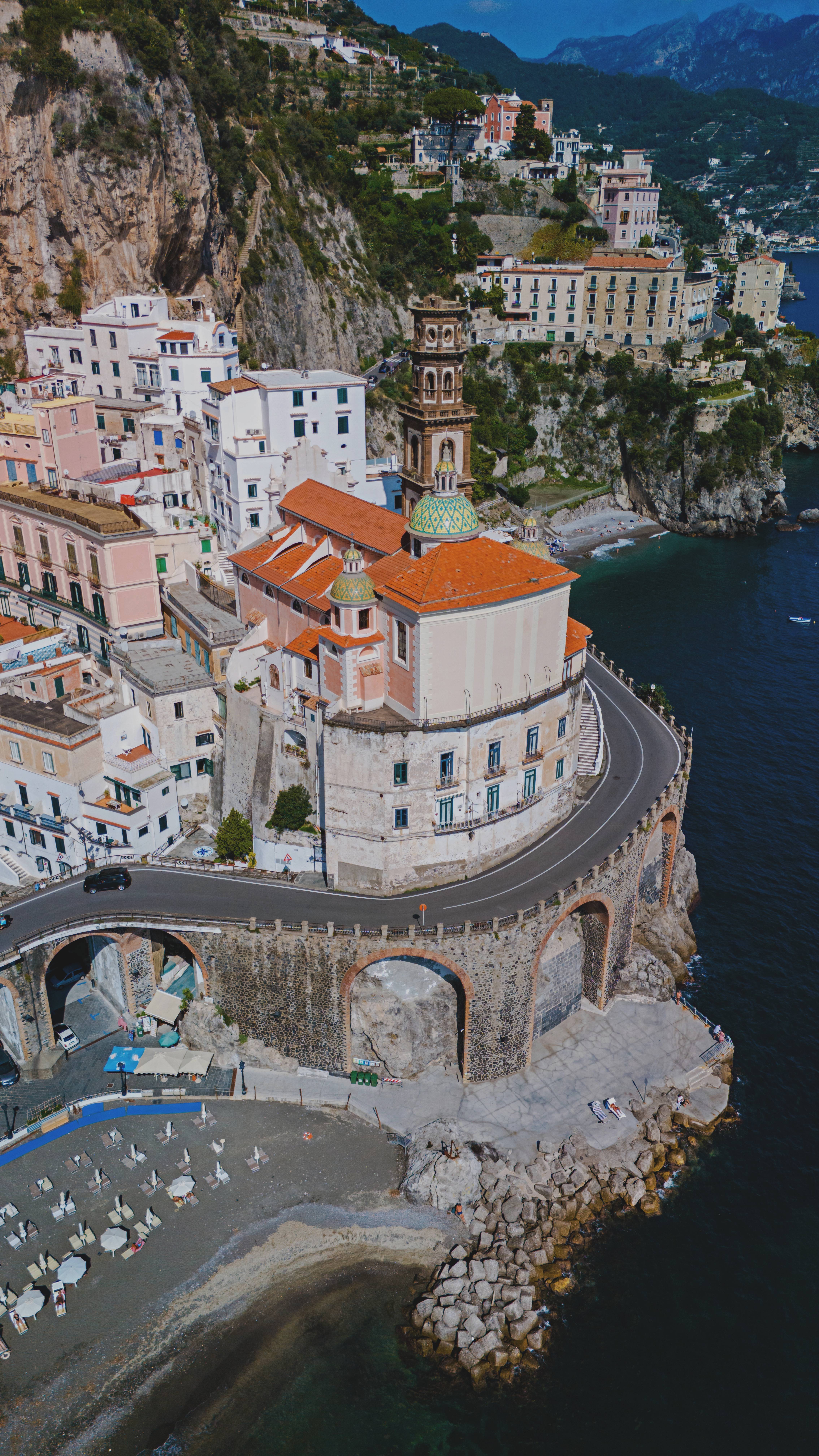
Italy Golden Visa Guidance for Applicants in the United Kingdom
UK-based applicants can explore the Italian investor-residence route online, whether they are planning from a major city, advising a family or preparing for more time in Italy. Italian Golden Visa provides online information and enquiry access for applicants considering how the official route may relate to their plans from the United Kingdom.
Make a Clear Enquiry
Before You Plan Around Residence
The Italy Golden Visa for UK citizens can be relevant for eligible investors, but only where the official requirements, investment route and residence process align with the applicant’s circumstances. It is best approached as a structured residence-planning decision, not as a lifestyle shortcut or a way to recreate pre-Brexit movement rights.
If you are based in the United Kingdom and considering whether the Investor Visa for Italy may fit your plans, you can submit an enquiry to Italian Golden Visa. Share the broad shape of your intended life in Italy, your investment-route questions and any family or timing considerations, so the next step can begin from the right assumptions.

Why wait for La Dolce Vita?
Contact us to get started on your Italian Golden Visa application today